

Imagine having a loved one in the throes of addiction, struggling to find a way out. It’s a murky realm of tainted dreams and obscured realities. As an Addiction Medicine Specialist, I can tell you that it’s like wandering in a labyrinth with no exit in sight. A common phrase heard in my line of work — at home detox sherman oaks — encapsulates the struggle and often the desperation. But how does this relate to family therapy? The answer isn’t as straightforward as you might think. It’s a complex dance, a delicate balancing act of offering support without enabling, of providing love without being suffocated. This blog will delve into this relationship, unpacking the intersections and divergences. Let’s explore the intricate tapestry that weaves together the roles of addiction medicine specialists and family therapy.
The Role of an Addiction Medicine Specialist
As a beacon in the foggy night of addiction, an addiction medicine specialist is a healthcare professional who focuses on treating people with substance use disorders. They provide medical management for withdrawal symptoms during detoxification, prescribe medications to aid recovery, and often monitor patients’ health conditions.
The Interplay with Family Therapy
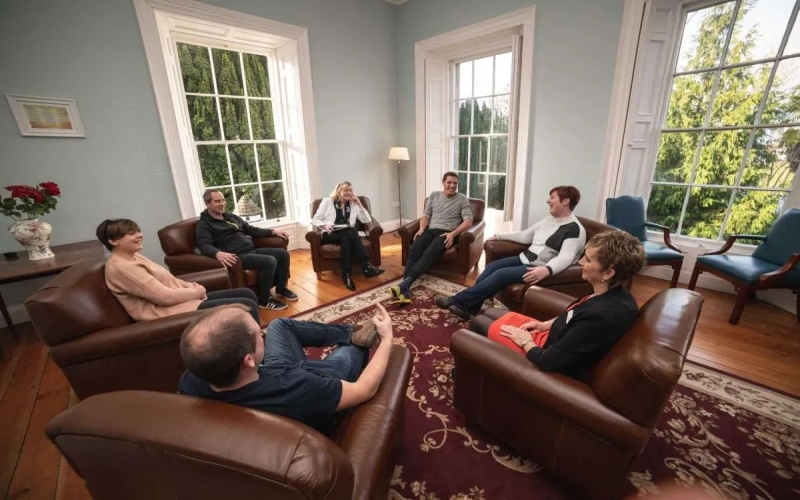
Family therapy, on the other hand, is a form of psychological counseling that aims to nurture change and development among family members. It often accompanies addiction treatment as it addresses the impact of addiction on the family dynamics. It helps families understand the nature of addiction, develop strategies to resolve conflicts and foster a supportive environment for the recovery process.
Overlapping Paths
The paths of addiction medicine and family therapy often intersect. Both approaches recognize addiction as a family disease – one that impacts everyone involved. They both aim to restore harmony and balance, albeit in different ways. The medicine specialist focuses on the physical and ustunelyfe mental health of the person with an addiction, while family therapy targets the emotional and relational health of the family unit.
The Balancing Act
This is where the delicate dance comes into play. There’s a thin line between support and enabling. Family therapy guides families to understand this difference and provides tools to avoid falling into the trap of enabling. But it’s not easy. It’s a process that requires constant vigilance, patience, and understanding.
Building a Bridge
So, how do these two roles work together? They build a bridge. An addiction medicine specialist lays the foundation by helping the person with an addiction get sober and healthy. Family therapy then constructs the remaining parts of the bridge – ensuring the family can cross together into a future of understanding, support, and resilience nyctional.
Conclusion
The relationship between addiction medicine specialists and family therapy is a complex yet fascinating weave. Together, they form a comprehensive, holistic approach to addiction treatment. It’s a dance worth learning – not only for the sake of the individuals dealing with addiction but also for the families who share in their journey.
